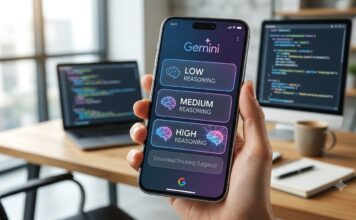

Big change ahead for Android. Google has officially confirmed that Gemini AI will replace Google Assistant on Android in 2026. This marks one of the most significant shifts in Android’s voice and AI experience in years.
The move signals Google’s push toward a more intelligent, conversational, and on-device AI future. Here’s what you need to know — and why it matters.
🚀 Why Google Is Replacing Google Assistant
For nearly a decade, Google Assistant has powered voice commands on Android phones, smart speakers, and other devices. But AI has evolved rapidly.
With Gemini, Google is aiming to deliver:
- More natural conversations
- Better context understanding
- Smarter task automation
- Stronger on-device processing
- Deeper app integration
In short, Gemini is designed to be an AI companion, not just a voice command tool.
🧠 What Gemini Will Do Differently
1. More Human-Like Conversations
Gemini is built on advanced large language models, allowing it to understand complex questions and follow multi-step conversations more naturally than Assistant.
2. Smarter On-Device AI
Google is focusing heavily on on-device intelligence, which means:
- Faster responses
- Better privacy
- Less dependence on cloud processing
Future Android phones are expected to feel significantly more responsive.
3. Deeper Android Integration
Unlike the current Assistant experience, Gemini is being designed to work more deeply across Android — including apps, settings, and system features.
Expect:
- smarter suggestions
- proactive help
- context-aware actions
📱 What This Means for Android Users
If you use Android daily, here’s what will likely change:
Short term (2025–early 2026):
- Gemini and Assistant will coexist
- More phones will get Gemini features
- Gradual UI changes
Long term (2026 onward):
- Gemini becomes the default assistant
- Assistant is phased out
- AI features become central to Android UX
👉 Your future Android phone will feel far more AI-driven than today’s devices.
🔐 Privacy and Performance Focus
Google says the transition emphasizes on-device AI, which could bring:
- improved privacy protections
- reduced latency
- better offline capabilities
However, real-world performance will depend on device hardware, especially newer chipsets with dedicated AI processing.
📅 When Will the Change Happen?
Google has confirmed the shift will occur during 2026, though the rollout will likely be gradual across devices and regions.
Pixel devices typically receive major AI features first, followed by other Android manufacturers.
🔍 Final Thoughts
The replacement of Google Assistant with Gemini isn’t just a rebrand — it’s a fundamental upgrade to how Android devices understand and interact with users.
If Google executes well, Gemini could redefine the everyday Android experience, making phones feel more proactive, conversational, and intelligent than ever before.