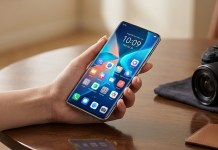
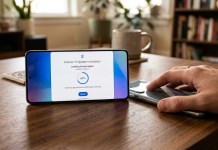
Xiaomi is preparing to turn heads with its next major software overhaul, HyperOS 4. Among a suite of performance tweaks and AI upgrades, the undisputed star of the show is the new “Soft Light Glass” UI (often referenced alongside its Liquid Glass aesthetic). Delivering real-time refraction effects, translucent system panels, and dynamic light layering, it brings a sleek, premium look to the lock screen, Control Center, and system menus.
However, if you were hoping to enjoy this eye-candy on every Xiaomi, Redmi, or POCO device, there’s a catch: the new visual effect will NOT be available on all supported smartphones.
Why Is the “Soft Light Glass” UI Hardware-Restricted?


Rendering real-time lighting, depth layers, and glass refraction requires significant GPU computational power. To ensure overall system performance and battery life aren’t compromised, Xiaomi is limiting the full Soft Light Glass experience to top-tier hardware.
According to technical discoveries, the full visual engine appears to be limited to flagship chipsets, including:
Qualcomm Snapdragon 8 Elite and higher
MediaTek Dimensity 9500 and higher
Xiaomi XRing O1 / O3 proprietary processors
Equivalent top-tier flagship silicon
Expected Eligible Device Tier
While Xiaomi has begun rolling out early builds in select regions, findings extracted from the HyperOS 4 codebase point toward a selective list of devices expected to support the advanced glass engine:
Xiaomi Series: Xiaomi 17 Ultra, 17 Pro, 17 Pro Max, Xiaomi 17, Xiaomi 17T Pro, Xiaomi 15 Ultra, Xiaomi 15 Pro, Xiaomi 15
Redmi Series: Redmi K90 Pro Max, Redmi K90 Pro, Redmi K90 Ultra, Redmi K80 Pro series
Foldables & Tablets: Xiaomi Mix Flip 2, Xiaomi Pad 8 Pro, Xiaomi Pad 7 Ultra
⚠️ Important Note: This device list is NOT official. These device models were discovered within early HyperOS 4 codebase builds. Xiaomi may expand or refine the final list of supported hardware prior to the broader global rollout. For broader tech news, software leaks, and mobile updates, check out coverage on NokiaPowerUser.
What Happens to Other Supported Devices?
If your device isn’t powered by a cutting-edge flagship chip, don’t worry—you won’t be left in the dark.
All other supported Xiaomi, Redmi, and POCO smartphones updating to HyperOS 4 will continue to use Blur with advanced textures, similar to the aesthetic styling found on HyperOS 3. This ensures that mid-range and budget smartphones retain smooth navigation and optimal battery endurance without pushing their processors past their thermal thresholds.
Key Takeaway
HyperOS 4 is shaping up to be a major visual jump for Xiaomi’s software ecosystem, but its most demanding eye-candy is reserved for flagship powerhouses. If you’re holding a current-gen or upcoming flagship, expect a gorgeous frosted-glass transformation; if you’re on a mid-ranger, you’ll still get a refined, reliable experience with standard blurred textures.